
Fort Myers, FL · Garage Door Service
Garage Door Service for Gateway's Newer-Build Doors
Gateway's garage doors date to the early 2000s build-out, not the 1980s stock common elsewhere in the service area. Here's what that means for repair and service calls.
- Repairs & new doors
- Springs & openers
- Serving 7 nearby communities
How Long It Takes
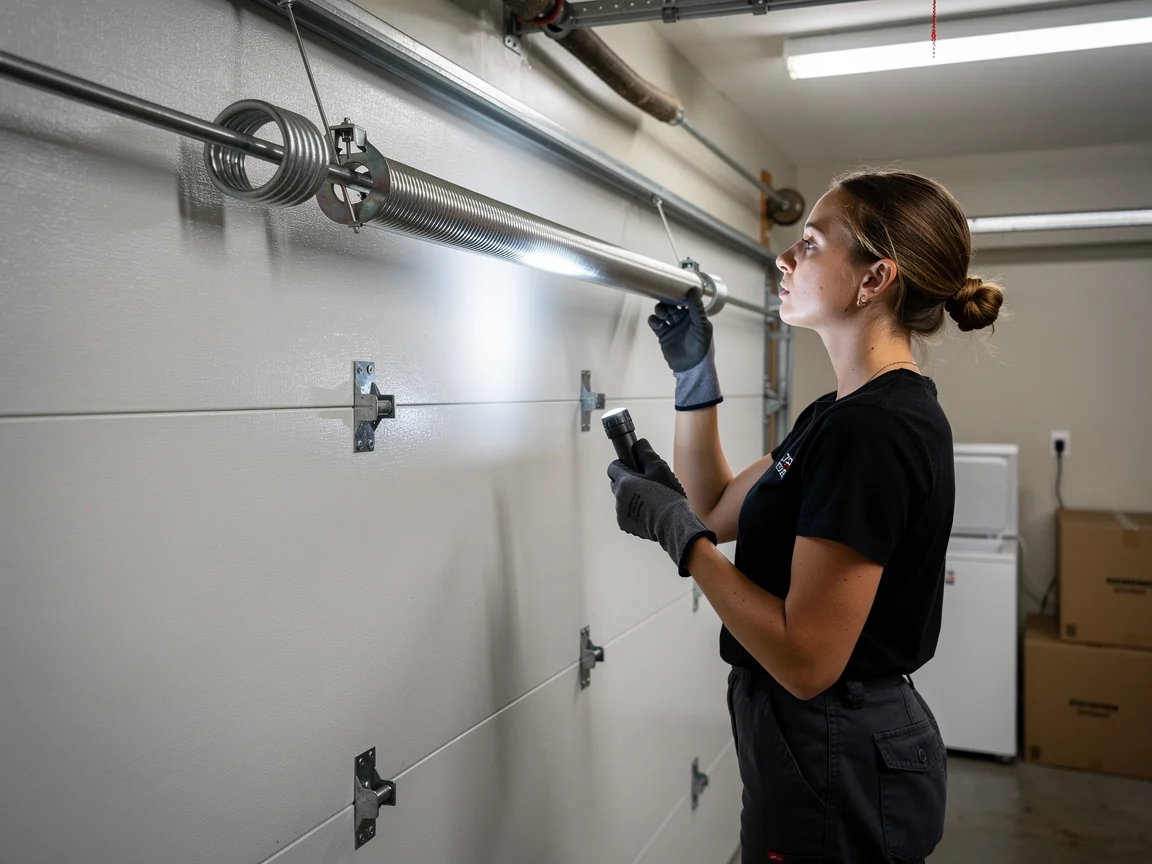
Most of Gateway went up well after the broader service area's median build year of 1986 - a lot of it around 2003. That matters here because a door from that era is a steel sectional, usually insulated, on a standard torsion spring system rather than the older extension-spring setups still common on the 1970s-80s houses closer to the river. Torsion jobs on doors this age are faster to diagnose: the spring size, drum, and cable routing are all standard builder-grade parts, not the mismatched hardware you find on a house that's had three different openers bolted on over forty years. A spring swap or cable replacement on a Gateway door is usually a same-visit job once the tech is on site with the right spring charts. Opener work moves just as fast - doors from the early 2000s already have the photo-eye safety sensors built into the frame, so there's no retrofitting required, just diagnosis and swap. The truck travels from Fort Myers, about 6 miles to reach Gateway, so the time on the road is short and most of the appointment is spent on the actual repair rather than figuring out what's installed.
How It Shows Up
On a door this age, the first sign is almost always noise or drift, not total failure. Builder-grade torsion springs installed around 2003 are now two decades old, which puts a lot of them past the cycle count where a spring just lets go - usually with a bang, usually when the door is closing. Owners also report the door reversing partway up, or an opener that runs but the door barely moves, which points to a spring that's lost tension rather than the motor itself. Because Gateway's stock skews newer and the household income here runs higher than the area median, more of these doors shipped with heavier insulated panels and a two-car opener rated for the extra weight - when the spring goes, the door feels noticeably heavier to lift by hand than an older single-panel door would. Track misalignment shows up too, usually from the garage being used daily rather than from storm damage; this region's mild temperate climate means the usual culprit isn't rust or warping, it's just age and cycles.
Where This Job Goes Sideways
The mistake on a Gateway door is assuming newer means simpler. A door from 2003 with a factory torsion spring that's never been touched can be under more stored tension than people expect, and homeowners who try to unwind it themselves after a snap are the ones who end up with a cut hand or a broken window from a dropped winding bar. The other way it goes sideways: calling the opener broken when the spring is actually gone. An opener motor straining against a dead spring will burn out early, so what looked like one repair turns into two. We'll say plainly where we draw the line - if the door is original to a 2003 build and the track, hinges, and panels are all still sound, replacing just the spring and cable is the right call. If the panels are dented or the track is bent from an impact, patching one part while the rest is failing just delays the real job.
What Is on the Truck
For Gateway calls the truck carries torsion springs sized for the standard two-car openings common in that 2003-era construction, along with the drums, cables, and bearing plates that go with them. Steel panel sections in the sizes used on insulated sectional doors from that build period are stocked for dent and impact repair, so a single damaged panel doesn't always mean replacing the whole door. Opener parts - circuit boards, drive gears, photo-eye sensors - cover the residential models typically installed with doors of this age. One limit worth naming: specialty panel colors or discontinued insulated-panel profiles sometimes aren't stocked and have to be special-ordered, which can add a few days versus a standard white or almond panel.
Can You Do This Yourself
Tightening loose hardware, lubricating rollers and hinges, and clearing the photo-eye sensors of dust are all fine for an owner to handle, and doing them regularly actually extends the life of a door this age. What isn't a DIY job is anything involving the torsion spring or the cables under tension - on a two-car door built around 2003, that spring is sized to lift real weight, and the tools to wind or unwind it safely aren't something most garages have lying around. If the door won't open and the opener motor is straining or humming without movement, that's a spring call, not an opener call, and it's worth getting a second opinion before replacing the whole opener unnecessarily.
Frequently asked questions
Why does my door in Gateway act different from my friend's door in an older part of the area?
Gateway's homes mostly date to around 2003, well after the service area's overall median build year of 1986. That means standard torsion spring systems and insulated steel panels, not the mixed extension-spring setups common on older houses. The failure points are different, which is why the repair looks different too.
Is my spring original to the house?
If your Gateway home was built around 2003 and the door hasn't been replaced, there's a good chance the spring is original factory hardware, which puts it well past typical service life. A tech can check the spring's wind and diameter on site to confirm.
Do you have a branch in Gateway?
No. The company runs out of Fort Myers and travels to Gateway, about 6 miles away, for service calls.
Can a dented panel be fixed instead of replacing the whole door?
Often yes, if the panel matches a common steel sectional profile from that era. Specialty colors or discontinued insulated-panel styles sometimes need a special order, which can take longer than a standard panel swap.
Book garage door service in Fort Myers
Call now or request a quote - tell us what the door is doing and where you are.